


Indica vs sativa is the most common framework for choosing cannabis, but it describes plant shape, not what you will feel. Scientific analysis of over 90,000 samples finds no consistent link between these labels and the effects users experience. Cannabinoid ratios and terpene profiles are the real predictors. Understanding this distinction changes how you shop, what you ask for, and how reliably you get the experience you want.
1. Indica vs sativa: what the labels actually mean
Indica and sativa are botanical terms describing plant morphology and growth patterns, not mood or effect categories. The confusion started decades ago when retailers began using these labels as shorthand for “relaxing” and “energizing.” That shorthand stuck, even though the science never supported it.
The terms do carry real meaning for growers. They describe how a plant looks, how fast it flowers, and what climate it prefers. For consumers choosing a product based on desired effects, the labels are a starting point at best and misleading at worst.
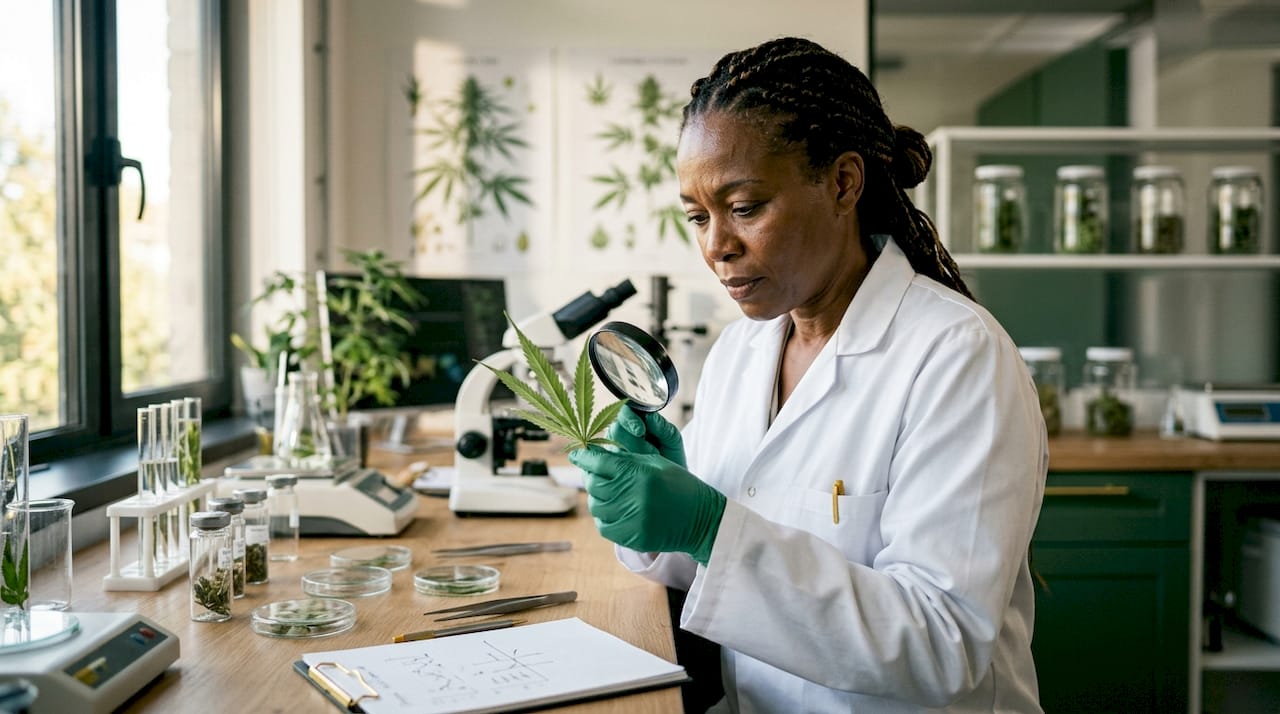
2. Botanical differences between indica and sativa plants
The physical differences between these two plant types are genuine and well documented.
Indica plants:
- Short and bushy, rarely exceeding 4 feet indoors
- Broad, dark green leaves with wide leaflets
- Faster flowering cycle, typically 6–9 weeks
- Adapted to cold, harsher climates like the Hindu Kush mountain range
Sativa plants:
- Tall and lanky, sometimes reaching 12 feet outdoors
- Narrow leaves with long, thin leaflets
- Longer flowering cycle, often 10–16 weeks
- Originated in tropical regions near the equator
Indica plants are short and bushy with broad leaves suited to cold climates, while sativa plants grow tall with narrow leaves suited to tropical environments. These traits matter for cultivation and identification, but they do not translate directly into the sedating or energizing effects consumers expect.
Pro Tip: If you are buying a vape or edible rather than growing your own, botanical traits are irrelevant to your experience. Focus on the chemical profile instead.
3. Why almost every strain you buy is a hybrid
Pure indica or sativa plants are rare in the commercial market. 85.7% of cannabis strains are hybrids, the result of decades of crossbreeding that has blurred genetic distinctions almost completely. That statistic means the odds of buying a genetically pure indica or sativa are extremely low.
Hybridization happened because breeders wanted to combine the best traits of both plant types: the fast flowering of indica with the yield or aroma of sativa. The result is a market where nearly every product sits somewhere on a spectrum.
What hybrid labels actually tell you:
- Indica-dominant: tends toward shorter plants, faster flowering, and often higher myrcene content
- Sativa-dominant: tends toward taller plants, longer flowering, and often higher limonene or pinene content
- Balanced hybrid: roughly equal genetic contribution from both lineages
These labels give you a rough tendency, not a guarantee. Two products labeled “indica-dominant” can produce very different experiences depending on their terpene and cannabinoid profiles. Expect variability and treat the label as a starting point rather than a precise prediction.
4. Cannabinoids and terpenes: the real drivers of effects
Scientific consensus from studies on 90,000 samples confirms that cannabinoid and terpene profiles determine effects far more reliably than indica or sativa labels. This is the most important fact in this article.
How cannabinoids work
THC produces the primary psychoactive effect: euphoria, altered perception, and in high doses, anxiety. CBD modulates those effects by reducing THC-driven anxiety and adding a calming quality. The ratio between THC and CBD shapes the overall character of your experience more than any strain label.
Cannabinoid ratios, especially THC and CBD, largely determine psychoactive effects, while terpenes modulate them to create diverse experiences. This is called the entourage effect.
How terpenes shape the experience
Terpenes are aromatic compounds that influence mood, sedation, and alertness. Myrcene, limonene, and pinene have distinct aromas and correspond to sedative, uplifting, or alerting effects respectively. Myrcene is earthy and musky. It promotes sedation and is the terpene most associated with the classic “couch lock” effect. Limonene is citrusy and tends to lift mood. Pinene smells like pine and promotes alertness and mental clarity.
Myrcene content explains over 21% of the difference in whether strains are labeled indica or sativa. That finding reveals that the indica/sativa distinction reflects terpene preferences more than genetics.
| Terpene | Aroma | Primary effect |
|---|---|---|
| Myrcene | Earthy, musky | Sedation, relaxation |
| Limonene | Citrus | Mood lift, stress relief |
| Pinene | Pine | Alertness, mental clarity |
| Linalool | Floral | Calm, anxiety reduction |
| Caryophyllene | Spicy, peppery | Anti-inflammatory, mild calm |
Pro Tip: Ask for a certificate of analysis (COA) when buying lab-tested products. Experienced cannabis practitioners use terpene profiles on COAs to guide recommendations because they predict effects more reliably than labels.
5. How your biology and dosage shape the experience
User experience varies widely based on individual biology, dosage, and tolerance, often outweighing the predictive power of any strain label. Two people can consume the same product and have completely different reactions.
Four factors that shape your personal response:
-
Endocannabinoid system variation. Your body’s endocannabinoid system is unique. Genetic differences in receptor density and enzyme activity mean the same cannabinoid dose hits differently from person to person. Some people experience paradoxical responses, feeling anxious from a product labeled “relaxing indica.”
-
Dosage. Starting with 2.5mg THC alongside 5–10mg CBD reduces anxiety and paranoia risk regardless of whether the product is labeled indica or sativa. Low doses give you control. High doses amplify both the desired and undesired effects.
-
Consumption method. Vaping delivers effects within minutes. Edibles take 30–90 minutes to onset and last significantly longer. The same milligram amount produces a more intense experience when eaten than when vaped, because the liver converts THC into a more potent compound.
-
Tolerance. Regular consumers build tolerance to THC’s psychoactive effects. A dose that produces strong effects in a new user may feel mild to someone who consumes daily. Tolerance resets after a break of 2–4 weeks.
High THC combined with dominant myrcene produces the classic “couch lock” effect regardless of the strain label. That combination, not the indica label, is the actual cause.
6. Practical tips for choosing cannabis products
Choosing well means going beyond the indica vs sativa label and looking at what is actually in the product.
- Check lab-tested cannabinoid and terpene data. If a product lists its COA, read it. Look for the dominant terpene and the THC-to-CBD ratio. These two data points tell you more than any label.
- Match the terpene to your goal. Want to relax in the evening? Look for high myrcene. Want to stay focused during the day? Look for pinene or limonene dominance. A sativa cart for daytime use with high limonene is a better choice than any product labeled “sativa” without terpene data.
- Be cautious with high-THC products if you are anxiety-prone. High-THC sativa-dominant products with low CBD and low myrcene are the most likely to trigger anxiety. A balanced hybrid with CBD present is a safer starting point.
- Track what works. Keep a simple note on your phone after each session: product name, dose, dominant terpene, and how you felt. Three or four data points reveal your personal pattern faster than any guide.
- Consider why lab-tested carts matter before buying. Unverified products carry unknown cannabinoid and terpene levels, making consistent experiences impossible to achieve.
Key takeaways
Cannabinoid and terpene profiles predict cannabis effects more reliably than indica or sativa labels, which describe plant shape rather than user experience.
| Point | Details |
|---|---|
| Labels describe plants, not effects | Indica and sativa refer to morphology; chemical profiles determine what you feel. |
| Most strains are hybrids | 85.7% of commercial strains are hybrids, making pure indica or sativa rare. |
| Terpenes drive the experience | Myrcene sedates, limonene lifts mood, and pinene promotes alertness. |
| Dosage matters more than label | Starting at 2.5mg THC with CBD reduces adverse effects regardless of strain type. |
| Lab data beats marketing | COA terpene and cannabinoid data gives you reliable guidance that labels cannot. |
The indica/sativa debate is settled, but the labels aren’t going away
Dr. Ethan Russo has called the indica/sativa distinction “total nonsense” as a predictor of biochemical content or effects. I agree with him completely. After years of paying attention to what actually works, the pattern is clear: the terpene profile and the THC-to-CBD ratio predict my experience every time. The label on the package rarely does.
The frustrating part is that the labels are not disappearing. Retailers use them because consumers recognize them. That is a marketing reality, not a scientific one. The practical solution is to treat “indica” and “sativa” as rough orientation, then dig one level deeper into the actual chemical data.
What I tell anyone starting out: pick a low-dose product with a COA, note the dominant terpene, and pay attention to how you feel. Do that three times and you will know more about your personal response than any label system can tell you. The people who get the most consistent experiences are the ones who track their own reactions rather than trusting the packaging.
— Jsuis
What Thcvapesuk offers for informed cannabis choices
Choosing a product based on chemical data rather than marketing labels requires access to products that actually publish that data.
Thcvapesuk stocks a curated range of premium lab-tested THC vapes and infused gummies, with products from trusted brands like Dabwoods and Stiiizy. Every product goes through rigorous testing before it reaches you, so you know the cannabinoid content you are getting. The range includes options across the indica-dominant, sativa-dominant, and balanced hybrid spectrum, with discreet shipping across the UK. If you want to apply what you have learned here, the THC disposable vape guide is a practical next step for matching product format to your goals.
FAQ
What is the real difference between indica and sativa?
Indica and sativa describe plant shape and growth traits, not effects. Cannabinoid and terpene profiles are the actual drivers of what you experience.
Are indica strains always more relaxing than sativa strains?
No. Sedation comes from myrcene and high THC content, not from the indica label. A sativa-labeled product high in myrcene can be just as sedating.
Why do most cannabis products say “hybrid”?
85.7% of commercial strains are hybrids due to decades of crossbreeding. Pure indica or sativa genetics are extremely rare in today’s market.
How do I choose between indica and sativa for anxiety?
Start with a low dose, around 2.5mg THC, and choose a product with CBD present. Avoid high-THC, low-CBD products regardless of the label, as those carry the highest anxiety risk.
What terpene should I look for to feel relaxed?
Myrcene is the terpene most associated with relaxation and sedation. Look for it as the dominant terpene on a product’s COA rather than relying on the indica label alone.
